
Mountain Safety in the Lake District: Essential Guide for Walkers (2026)
The Lake District is one of the most beautiful walking regions in the UK, but its mountains and fells can also be challenging and unpredictable. Even relatively short walks can become serious if weather conditions change or you’re not properly prepared.
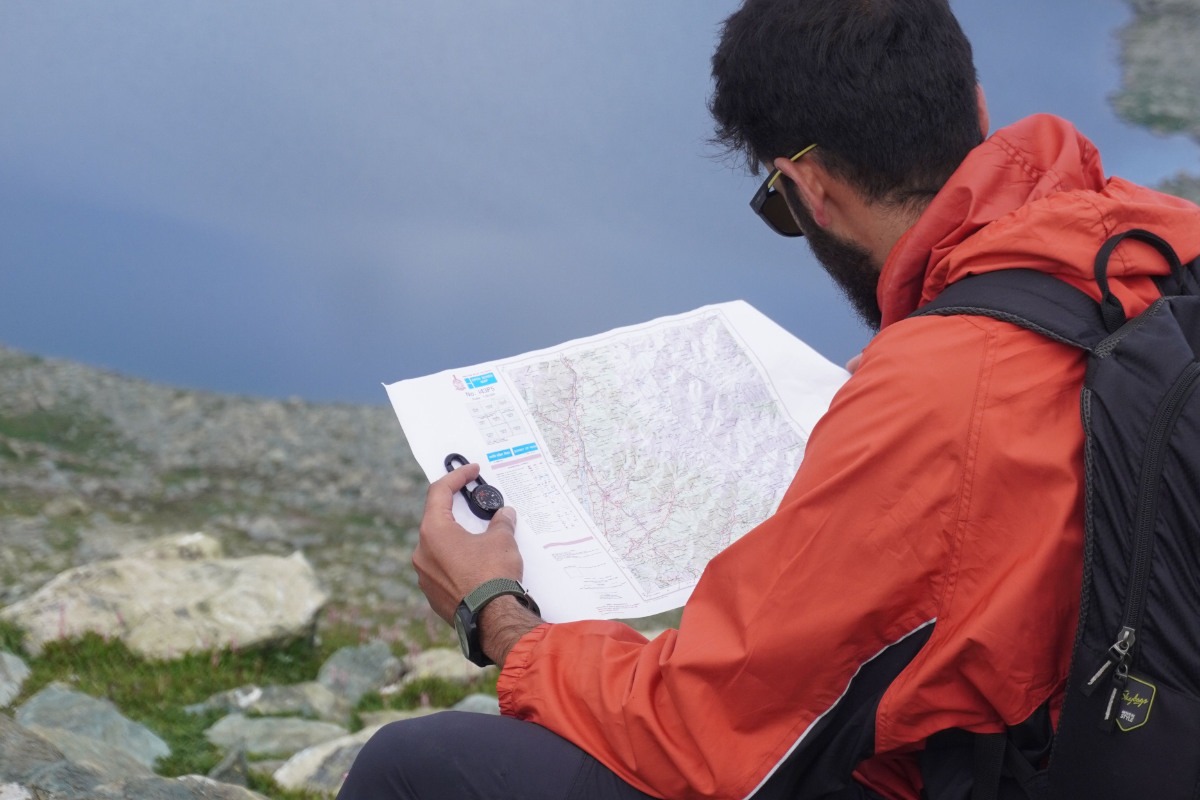
Good mountain safety isn’t about making walking complicated. It’s about understanding the environment, carrying suitable equipment and knowing when conditions mean it’s time to change your plans.
Whether you’re climbing Scafell Pike, exploring Catbells or walking through Borrowdale, this guide covers the essential mountain safety principles that will help you enjoy the Lake District safely and confidently.
Why Mountain Safety Matters in the Lake District
The Lake District may not have the altitude of the Alps, but it’s still a genuine mountain environment.
Conditions can change rapidly, particularly on higher fells, and walkers should be prepared for:
- Rapidly changing weather.
- Poor visibility in cloud or mist.
- Slippery and uneven terrain.
- Steep drops and exposed ridge sections.
- Cold conditions, even during summer.
- Limited mobile phone coverage in remote areas.
- Shorter daylight hours during autumn and winter.
Good preparation can make the difference between a memorable day on the fells and a potentially dangerous situation.
Understanding Lake District Weather
Weather is one of the most important factors to consider when planning any mountain walk.
Conditions can change surprisingly quickly, especially on higher fells such as Helvellyn and Scafell Pike.
Common Weather Risks
Be prepared for:
- Sudden rain making rocks and paths slippery.
- Strong winds on exposed ridges.
- Thick cloud reducing visibility.
- Significant temperature drops at higher elevations.
- Snow and ice during winter.
A warm, pleasant day in Keswick or Ambleside doesn’t necessarily mean conditions will be the same on the surrounding summits.
Always Check a Mountain Forecast
Before heading onto higher ground, check a mountain-specific weather forecast rather than relying solely on a general forecast for the nearest town.
If conditions aren’t suitable for the walk you planned, choose a safer lower-level alternative.
Good options include:
- Tarn Hows.
- Buttermere Circular.
- Friar’s Crag.
- Rydal Water.
- Grasmere Lakeside Walk.
Changing your route isn’t a failed day. It’s simply good mountain judgement.
Navigation: Don’t Rely Solely on Your Phone
Smartphones and GPS apps are extremely useful navigation tools, but they shouldn’t be your only method of finding your way around the fells.
Batteries can run flat, phones can become damaged or wet, and mobile coverage is unreliable in many remote areas.
Essential Navigation Equipment
For mountain walks, consider carrying:
- OS paper map.
- Compass.
- Waterproof map case.
- Offline mapping or GPS app.
- Fully charged mobile phone.
- Power bank for longer walks.
Learning basic map and compass skills is particularly valuable.
Understanding features such as ridgelines, valleys, streams, paths and tarns can help you confirm your location and direction when visibility deteriorates.
Clothing and Equipment for Mountain Safety
Dressing properly is one of the simplest ways to improve your safety and comfort in the hills.
Essential Clothing
For most fell walks, consider wearing or carrying:
- Waterproof jacket.
- Waterproof trousers.
- Moisture-wicking base layer.
- Warm fleece or insulating mid-layer.
- Walking boots with good grip.
- Hat and gloves.
- Spare warm layer.
Even during summer, conditions on exposed summits can be considerably colder than those in the valleys.
Essential Equipment
A typical day-walking kit should include:
- Comfortable daypack.
- Drinking water.
- High-energy snacks and food.
- Head torch.
- Small first aid kit.
- Emergency whistle.
- Fully charged mobile phone.
- Power bank.
- Map and compass.
A 20–35 litre daypack is usually sufficient for most Lake District day walks.
Planning Your Walk Properly
Good planning significantly reduces the chances of getting into difficulty.
Before leaving:
- Choose a route suitable for your fitness and experience.
- Check the total distance and ascent.
- Estimate how long the walk should take.
- Check the latest weather conditions.
- Look at available escape routes or shorter alternatives.
- Check sunset times if you’re walking later in the day.
- Tell someone your route and expected return time.
One of the easiest mistakes to make is underestimating how long a mountain walk will take.
Five miles across steep, rocky terrain can take considerably longer than five miles along a flat countryside path.
Staying Safe on the Fells
Once you’re on the mountain, remain aware of both the conditions and the people you’re walking with.
General Mountain Safety Tips
- Stay on recognised paths where possible.
- Keep away from exposed edges during strong winds.
- Monitor changing weather conditions.
- Keep track of the time and remaining daylight.
- Take regular food and water breaks.
- Don’t take unnecessary risks for photographs.
- Avoid unfamiliar shortcuts.
- Turn back if conditions deteriorate.
One principle is worth remembering above everything else:
The summit is optional. Returning safely is essential.
There’s nothing wrong with turning around. The mountain will still be there another day.
Water Safety Around Lakes, Rivers and Waterfalls
The Lake District’s lakes, rivers and waterfalls are a huge part of its appeal, but water presents additional hazards.
Potential risks include:
- Cold water shock.
- Slippery rocks.
- Fast-flowing rivers and streams.
- Higher water levels after heavy rain.
- Unexpectedly deep water.
Take particular care around waterfalls and fast-moving rivers following prolonged rainfall.
Children should always be closely supervised around water.
What to Do in an Emergency
If you need emergency assistance in the mountains, knowing what to do can save valuable time.
If you have mobile signal:
- Call 999 or 112.
- Ask for Police.
- Then ask for Mountain Rescue.
- Give your location as accurately as possible.
- Explain what has happened and the condition of anyone involved.
A grid reference or accurate location from your mapping app can be extremely helpful.
If you don’t have a signal, only move if it’s safe to do so. Changing position may sometimes allow your phone to connect to a network, but don’t put yourself at additional risk trying to find reception.
A whistle is also a useful piece of emergency equipment. The recognised distress signal is six blasts in quick succession, repeated after a one-minute pause.
Walking with Children in the Lake District
The Lake District is a fantastic place to introduce children to walking, but route selection becomes even more important.
When walking as a family:
- Choose shorter, lower-level routes.
- Keep children away from steep drops.
- Carry extra warm clothing.
- Pack plenty of drinks and snacks.
- Allow additional time for rest stops.
- Keep children close around rivers and lakes.
- Be prepared to shorten the walk if necessary.
Family-friendly options include:
- Friar’s Crag.
- Tarn Hows.
- Latrigg.
- Aira Force.
- Grasmere Lakeside Walk.
Children often enjoy shorter adventures far more than being pushed through a long mountain route.
Common Mountain Safety Mistakes
Many problems can be avoided with basic preparation.
Common mistakes include:
- Wearing unsuitable footwear on mountain terrain.
- Underestimating the weather.
- Not carrying waterproof clothing.
- Setting off without enough food or water.
- Relying entirely on phone navigation.
- Starting a long walk too late.
- Continuing when conditions are deteriorating.
- Ignoring a planned turning-back time.
- Attempting routes beyond your experience.
The best walkers aren’t necessarily those who reach every summit. They’re the ones who make sensible decisions when circumstances change.
Frequently Asked Questions
Is it safe to walk in the Lake District?
Yes. Thousands of people safely enjoy walking in the Lake District every year.
Choosing a suitable route, checking the weather and carrying appropriate clothing and equipment will significantly reduce the risks.
Do I need a map and compass?
For higher or more remote fell walks, carrying a paper map and compass is strongly recommended.
GPS navigation is extremely useful, but electronic devices can fail or run out of battery.
Can beginners walk in the Lake District?
Absolutely.
There are many excellent beginner-friendly walks, including Tarn Hows, Friar’s Crag, Grasmere and Buttermere.
Build your confidence on easier routes before attempting higher or more exposed mountain walks.
What should I do if the weather gets worse?
Assess the conditions and don’t be afraid to turn back or choose a shorter route.
Continuing simply because you planned to reach a summit can turn manageable conditions into an unnecessary risk.
Should I carry a head torch on a day walk?
Yes, particularly on longer walks and during autumn and winter.
A walk can take longer than expected because of poor weather, difficult terrain or an injury. A small head torch weighs very little and can be invaluable if you’re delayed.
How do I contact Mountain Rescue in the Lake District?
In an emergency, call 999 or 112, ask for Police, and then request Mountain Rescue.
Provide your location and details of the emergency as accurately as possible.
Final Thoughts
The Lake District offers some of the most rewarding walking experiences in the UK, but it remains a true mountain environment that deserves respect.
Mountain safety doesn’t require carrying enormous amounts of equipment or avoiding challenging walks. It’s about good planning, suitable clothing, reliable navigation and making sensible decisions when conditions change.
Whether you’re heading up Scafell Pike, completing your first fell walk on Catbells or wandering through Borrowdale, preparation will help you enjoy the mountains with greater confidence.
And always remember: the summit is optional. Returning safely is essential.
The mountains will always be there for another day.
Related Guides
Continue preparing for your next Lake District adventure: