
Lake District Weather Guide (2026)
The Lake District is famous for its breathtaking scenery, dramatic mountain landscapes and beautiful lakes—but it’s equally well known for its ever-changing weather. One moment you can be enjoying sunshine across the fells, and the next you may find yourself walking through mist, rain or strong winds.
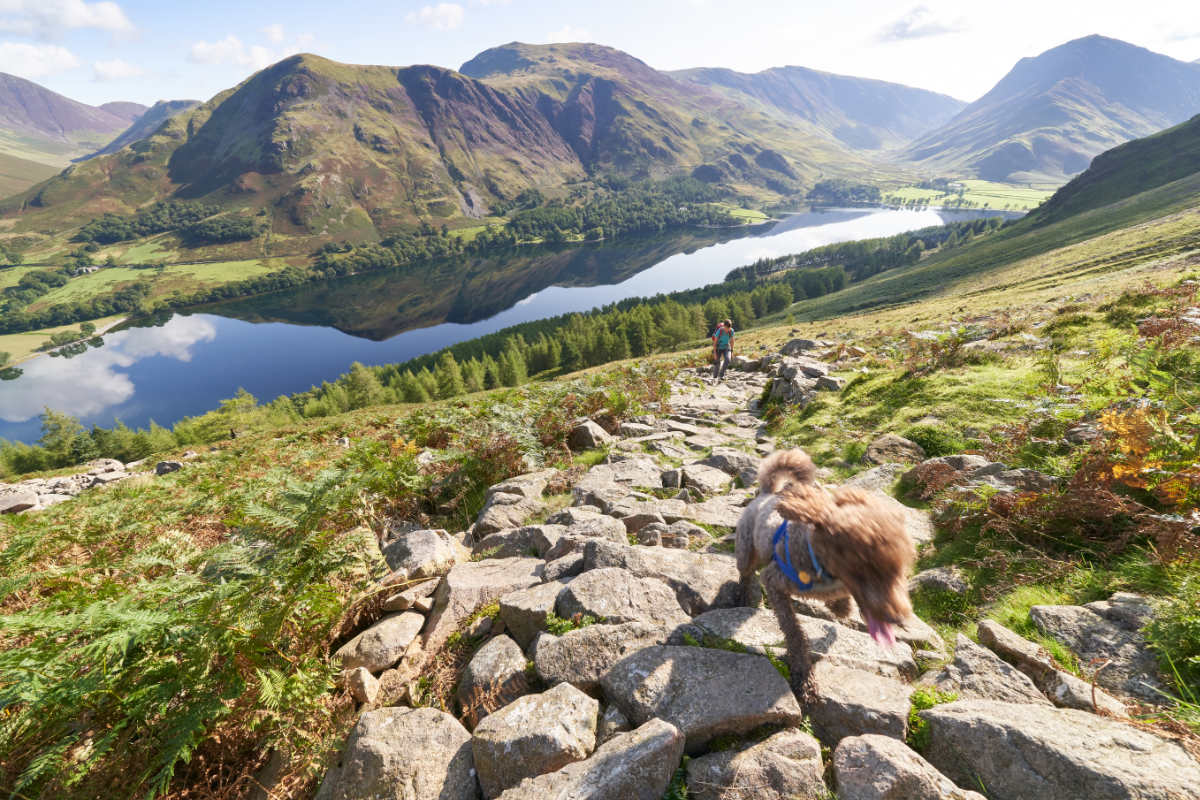
Understanding the weather is one of the most important parts of planning a successful visit. Whether you’re heading out for a gentle lakeside stroll or climbing Scafell Pike, knowing what conditions to expect will help you stay safe, stay comfortable and make the most of your day.
This guide explains the Lake District’s weather throughout the year, how mountain weather differs from the valleys and how to prepare for changing conditions, whatever the season.
Why is the Lake District Weather So Changeable?
The Lake District’s unique geography creates its own microclimate.
Moist air moving inland from the Irish Sea rises over the mountains, cools rapidly and produces frequent cloud and rainfall. As a result, the western fells are among the wettest places in England, while the eastern side of the National Park often experiences slightly drier conditions.
Altitude also plays a major role. Conditions on a mountain summit can be dramatically different from those in nearby towns such as Keswick, Ambleside or Windermere.
That’s why checking a general weather forecast alone isn’t enough if you’re planning a day on the fells.
Understanding Mountain Weather
Mountain weather changes much more quickly than weather at lower levels.
As you gain height, you can expect:
- Lower temperatures.
- Stronger winds.
- Reduced visibility.
- Increased rainfall.
- Greater exposure to the elements.
A pleasant morning in the valley can quickly become cold, wet and windy on the summit of a fell.
Before any higher-level walk, always check a mountain-specific weather forecast.
Lake District Weather by Season
Every season offers a different walking experience, and each has its own appeal.
The best time to visit depends on the type of adventure you’re looking for.
Spring (March to May)
Spring is one of the most rewarding times to explore the Lake District.
As winter fades, the landscape bursts into life with colourful wildflowers, fresh green woodland and waterfalls flowing at their fullest after winter rain.
Temperatures are generally comfortable for walking, while the longer daylight hours allow plenty of time to explore.
Typical Spring Conditions
- Mild temperatures.
- Longer daylight hours.
- Occasional showers.
- Quieter walking trails.
Best Spring Walks
Spring is ideal for:
- Catbells.
- Tarn Hows.
- Buttermere Circular.
- Grasmere Lakeside Walk.
- Borrowdale Valley.
These routes showcase colourful woodland, fresh scenery and spectacular lake views.
Summer (June to August)
Summer is the busiest season in the Lake District.
Long daylight hours make it the perfect time to tackle longer walks, while warmer temperatures make higher fell routes particularly enjoyable.
However, summer certainly doesn’t guarantee dry weather. Rain, mist and low cloud remain common throughout the season.
What to Expect
- Warmer temperatures.
- Busy car parks.
- Popular walking routes.
- Long daylight hours.
- Occasional thunderstorms.
Starting your walk early in the morning helps avoid both the crowds and the possibility of afternoon weather changes.
Best Summer Walks
Longer days make these excellent choices:
- Scafell Pike.
- Helvellyn.
- Blencathra.
- Fairfield Horseshoe.
- Great Gable.
These classic mountain walks offer some of the finest views in the Lake District during favourable conditions.
Autumn (September to November)
Many experienced walkers consider autumn to be the best season of all.
The woodlands transform into vibrant shades of gold, orange and red, while cooler temperatures often bring crisp, clear mountain views.
Why Walk in Autumn?
Autumn offers:
- Spectacular woodland colours.
- Comfortable walking temperatures.
- Fewer visitors.
- Excellent visibility on clear days.
- Outstanding photography opportunities.
Borrowdale, Langdale and Grasmere are particularly beautiful during October.
Best Autumn Walks
Autumn is ideal for:
- Castle Crag.
- Walla Crag.
- Borrowdale Valley.
- Loughrigg Fell.
- Derwentwater Circular.
These routes combine colourful woodland with some of the Lake District’s most beautiful scenery.
Winter (December to February)
Winter transforms the Lake District into a spectacular but much more demanding environment.
Snow-covered mountains, frozen tarns and peaceful valleys create unforgettable scenery, but conditions on higher ground require additional experience and preparation.
What Makes Winter Special?
Winter offers:
- Quiet walking routes.
- Snow-covered summits.
- Beautiful winter photography.
- Peaceful landscapes.
- A true mountain adventure.
Higher routes can quickly become hazardous in snow, ice and strong winds.
Best Winter Walks
Unless you have winter mountain experience, consider lower-level walks such as:
- Tarn Hows.
- Buttermere Circular.
- Rydal Water.
- Friar’s Crag.
- Latrigg.
These walks still provide spectacular scenery while avoiding more demanding mountain conditions.
Which is the Wettest Month in the Lake District?
Rain is possible throughout the year, but October, November and December are often among the wettest months.
The western side of the National Park generally receives significantly more rainfall than the eastern valleys because moist Atlantic weather systems rise over the mountains.
The good news is that rain rarely lasts all day.
It’s perfectly normal to experience sunshine, cloud and showers during the same walk.
What Should You Wear?
The key to enjoying Lake District weather is dressing in layers.
A typical walking outfit should include:
- Moisture-wicking base layer.
- Warm insulating mid-layer.
- Waterproof jacket.
- Waterproof trousers when appropriate.
- Walking boots with good grip.
- Hat and gloves outside the summer months.
Even during warm weather, carrying waterproof clothing is highly recommended.
How Weather Affects Walking Routes
Weather can completely change the difficulty of a walk.
Dry Conditions
Generally provide:
- Better grip.
- Faster walking.
- Easier river crossings.
- Clearer views.
Wet Conditions
Can result in:
- Slippery rocks.
- Muddy paths.
- Reduced visibility.
- Higher stream levels.
Windy Conditions
Strong winds can make exposed ridges significantly more difficult and increase the risk of losing balance.
Winter Conditions
Snow and ice require specialist equipment and experience on higher mountains.
Always adjust your plans according to the forecast rather than sticking rigidly to your original itinerary.
Best Walks for Different Weather Conditions
Sunny Days
Perfect for:
- Scafell Pike.
- Helvellyn.
- Blencathra.
- Fairfield Horseshoe.
Mixed Weather
Ideal choices include:
- Catbells.
- Castle Crag.
- Walla Crag.
- Latrigg.
Wet Weather
Lower-level routes are often more enjoyable, including:
- Tarn Hows.
- Friar’s Crag.
- Buttermere Circular.
- Rydal Water.
Choosing a walk that matches the conditions usually leads to a much more enjoyable day.
Essential Weather Safety Tips
Before every walk:
- Check a mountain weather forecast.
- Carry waterproof clothing.
- Wear suitable walking boots.
- Pack extra warm layers.
- Allow extra time if rain is expected.
- Carry enough food and drinking water.
- Tell someone where you’re going.
- Be prepared to turn back if conditions deteriorate.
Remember, the mountains will always be there for another day.
Frequently Asked Questions
What is the best month to visit the Lake District?
Many walkers prefer May, June and September, thanks to their combination of pleasant temperatures, longer daylight hours and generally quieter trails than peak summer.
Does it rain every day in the Lake District?
No.
Although the Lake District receives more rainfall than many parts of England, it certainly doesn’t rain every day. Showers are often short-lived, and it’s common to experience sunshine, cloud and rain during the same day.
How cold are the mountains?
Temperatures generally decrease by around 1°C for every 100 metres of elevation gained.
Summits can therefore be significantly colder than nearby towns, particularly when combined with strong winds.
Is it safe to walk in bad weather?
Many experienced walkers enjoy challenging conditions, but poor weather increases the risks considerably.
If strong winds, heavy rain, snow or poor visibility are forecast, consider choosing a lower-level route or postponing your walk.
Which side of the Lake District gets the most rain?
The western fells generally receive the highest rainfall due to moist Atlantic air rising over the mountains, while eastern areas are often slightly drier.
Can I walk all year round?
Yes.
Walking is possible throughout the year, but winter conditions on higher fells require additional equipment, experience and careful planning.
Final Thoughts
The Lake District’s weather is one of the things that makes the National Park so memorable. Ever-changing skies, shifting light and dramatic mountain landscapes create unique experiences every time you visit.
Rather than hoping for perfect weather, prepare for changing conditions. Packing suitable clothing, checking mountain forecasts and choosing walks that match the day’s weather will help you enjoy everything the Lake District has to offer safely.
Whether you’re exploring peaceful lakeside paths in spring, climbing high fells beneath clear autumn skies or admiring snow-covered peaks during winter, understanding the weather will make every adventure more enjoyable.
With the right preparation, you’ll soon discover that some of the Lake District’s most unforgettable days happen when the forecast isn’t perfect.
Related Guides
Continue planning your Lake District adventure: